Fix the Breaker Before It Becomes a Fire Risk
DNI Heating and Air repairs breakers for homes in Boulder, Colorado.
When a breaker trips once because you plugged in too many things at the same time, that's normal. When it trips repeatedly, won't reset, feels hot to the touch, or makes buzzing or crackling sounds, that's a sign something is failing inside the breaker or the circuit it protects, and continuing to use it creates a fire hazard. Homes in Boulder with older panels or circuits that have been overloaded for years are especially prone to breaker failures that show up as nuisance tripping, burning smells, or breakers that won't stay in the on position.
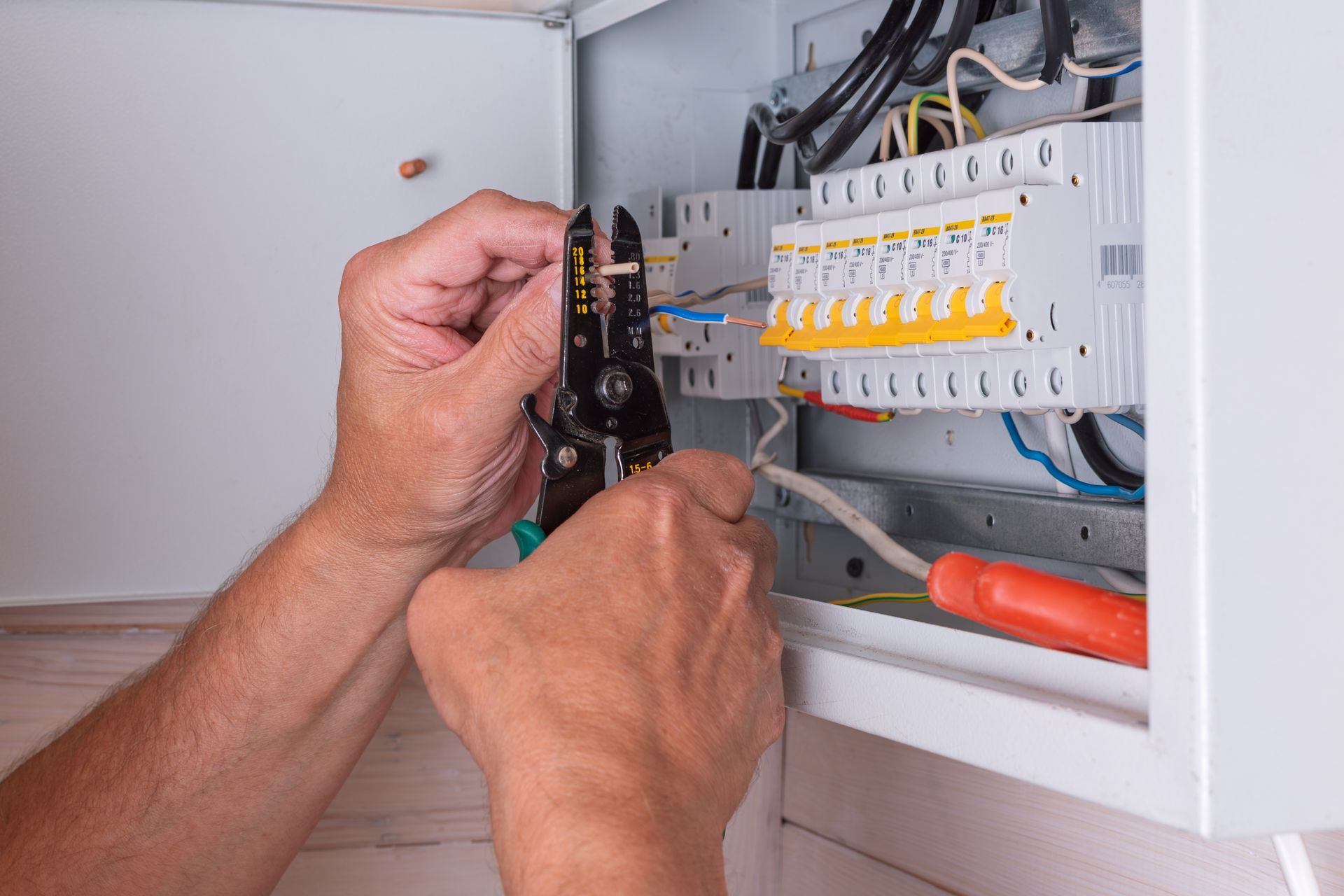
DNI Heating and Air diagnoses and repairs faulty breakers by testing the breaker itself, inspecting the wiring and connections, and determining whether the problem is caused by a failed breaker, an overloaded circuit, or damaged wiring. If the breaker needs to be replaced, they swap it out with a compatible unit that matches your panel's specifications and restores safe operation to the circuit.
If a breaker in your Boulder home is tripping frequently, feels warm, or shows signs of physical damage, contact DNI Heating and Air to schedule a repair before the problem leads to bigger issues.
What Gets Tested and What Gets Replaced
DNI Heating and Air starts by testing the breaker to see if it's holding the correct load and tripping at the right threshold, then inspects the circuit wiring and connections at the panel to check for loose wires, corrosion, or signs of overheating. If the breaker itself has failed, they replace it with a new one that matches your panel's brand and amp rating, and they retest the circuit to confirm it's operating safely.
Once the repair is complete, you'll notice that the breaker stops tripping during normal use, the panel no longer emits burning smells or unusual sounds, and the circuit handles its load without overheating or shutting off unexpectedly. If the problem was caused by an overloaded circuit rather than a faulty breaker, DNI Heating and Air will explain what's drawing too much power and recommend adding a dedicated circuit if needed.
The service includes replacing the breaker and testing the circuit, but it does not include rewiring the entire circuit or upgrading the panel unless those are identified as necessary during the inspection. If the panel itself is outdated or unsafe, DNI Heating and Air will let you know and provide options for a full panel replacement.
We Know What You're Dealing With
What are the signs that a breaker needs to be repaired?
You should have a breaker inspected if it trips frequently without an obvious cause, won't reset or stay in the on position, feels hot to the touch, makes buzzing or crackling sounds, or shows visible damage like scorch marks or a burning smell. DNI Heating and Air will test the breaker and the circuit to find out what's causing the problem.
Why does my breaker keep tripping even when I'm not using much power?
Frequent tripping can be caused by a failing breaker, a short circuit, a ground fault, or damaged wiring in the circuit. DNI Heating and Air tests the breaker and inspects the wiring to determine the cause and fix it so the circuit works reliably.
How do you know if the breaker needs to be replaced or if it's a wiring problem?
DNI Heating and Air tests the breaker's response under load and inspects the wiring and connections at the panel. If the breaker is failing internally, it gets replaced. If the wiring is damaged or the circuit is overloaded, they address that issue instead.
Can you replace just one breaker or does the whole panel need to be upgraded?
In most cases, a single breaker can be replaced without upgrading the entire panel, as long as the panel itself is in good condition and the replacement breaker is compatible. If the panel is outdated or unsafe, DNI Heating and Air will recommend a full upgrade.
What happens if I ignore a breaker that keeps tripping?
Ignoring a faulty breaker increases the risk of electrical fires, damaged appliances, and total circuit failure. The breaker is designed to shut off power when something goes wrong, and if it's not working correctly, it can't protect your home from overloads or short circuits.