Warm Floors That Heat From the Ground Up
Infloor heating installation for residential customers in Boulder, Colorado.
If you have ever stepped onto a cold tile floor in the morning in your Boulder home, you already understand the appeal of infloor heating. Also known as radiant floor heating, this system uses electric heating cables or hot water tubes embedded in your floors to provide warmth from the ground up. It eliminates cold spots, reduces drafts, and creates a more comfortable environment without blowing air through vents.
DNI Heating and Air installs infloor heating systems in Boulder homes. The system works by embedding heating elements beneath the floor surface, which radiate warmth upward. This method provides superior comfort compared to forced-air systems, eliminates drafts, and reduces allergens by avoiding ductwork. The most common rooms for infloor heating are bathrooms, kitchens, mudrooms, and basements, where tile or stone floors are often present.
If you are remodeling or building a new home in Boulder and want consistent warmth without cold floors, contact DNI Heating and Air to discuss infloor heating options.
How the System Gets Installed Beneath Your Floors
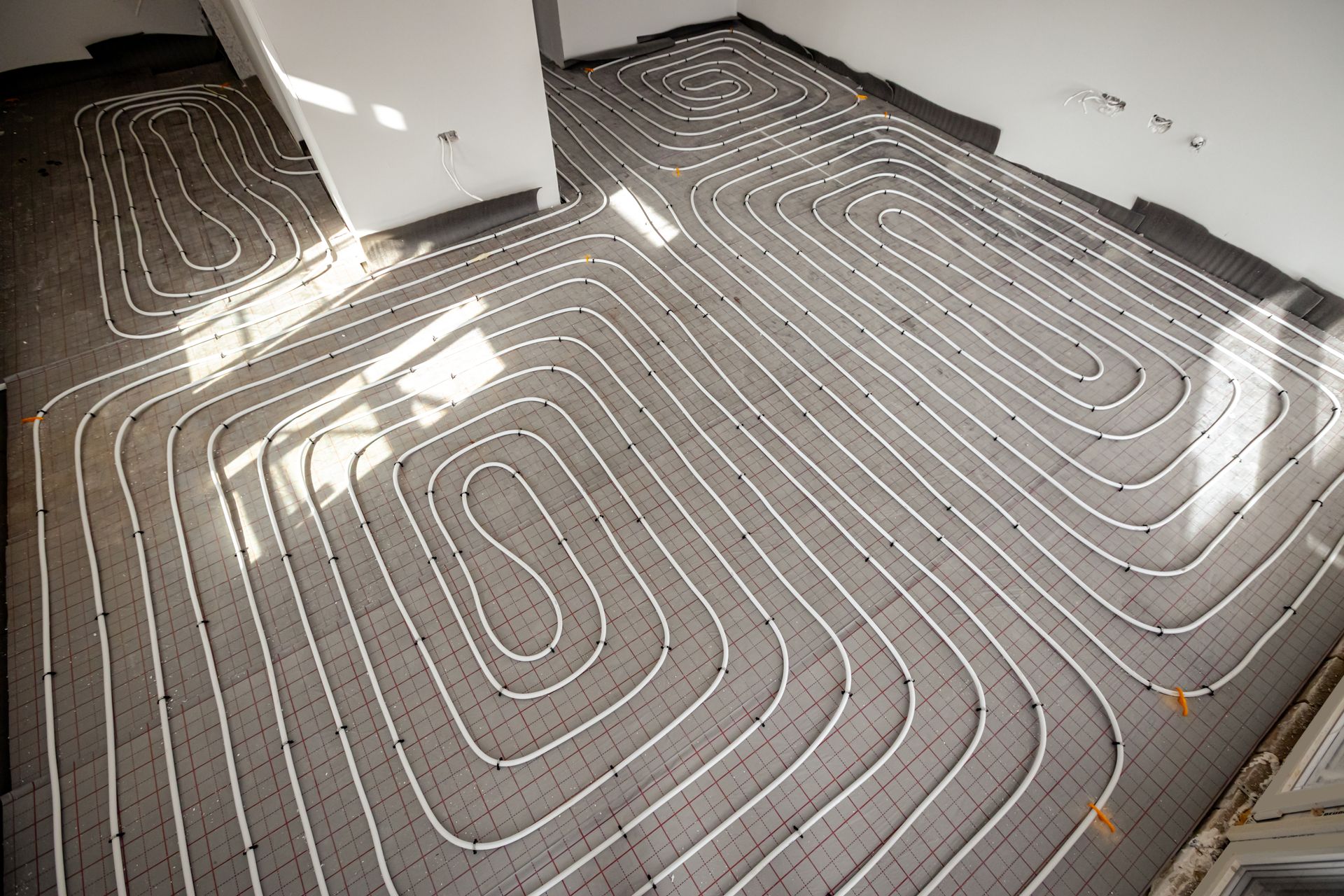
Installation in Boulder homes typically happens during new construction or a remodel, since the heating elements must be embedded before the final floor surface is laid. For electric systems, cables are placed in a serpentine pattern beneath the flooring and connected to a thermostat. For hydronic systems, hot water tubes are installed in a similar layout and connected to your boiler or water heater. The crew then covers the heating elements with mortar, concrete, or another substrate before installing the final tile, stone, or hardwood flooring.
Once the system is running, you will notice warm floors as soon as you step into the room, even heat distribution without cold corners, and a more comfortable living space overall. The system runs quietly and does not blow dust or allergens through vents like forced-air heating.
The installation requires access to the subfloor, so it is easiest to install during new construction or when flooring is being replaced. Retrofitting into an existing floor is possible in some cases but may require removing the current flooring. The system works best with tile, stone, or concrete floors, though it can also be installed under hardwood or laminate with the right setup.
Questions that come up during planning
What rooms are best for infloor heating?
Bathrooms, kitchens, mudrooms, and basements are the most common choices, especially where tile or stone flooring is used. These rooms benefit most from the warmth and comfort infloor heating provides.
How does infloor heating compare to forced-air systems?
Infloor heating provides more even warmth, eliminates drafts, and reduces allergens by avoiding ductwork. It is also quieter and more efficient in rooms with high ceilings or large windows.
Can infloor heating be installed in an existing home?
Yes, but it is easiest to install during a remodel or when replacing flooring, since the heating elements must be embedded beneath the floor surface. Retrofitting may require removing existing flooring.
What type of flooring works with infloor heating?
The system works best with tile, stone, or concrete, which conduct heat well. It can also be installed under hardwood or laminate with the right materials and setup.
How is the system controlled?
Each infloor heating zone is connected to its own thermostat, allowing you to control the temperature in individual rooms. You can set schedules or adjust heat levels based on your preferences.